Motorcycles offer freedom, speed, and convenience, but like any vehicle, they can break down unexpectedly. Whether you’re dealing with a flat tire, engine failure, or an accident, having access to professional bike towing services is essential. Bike towing is not as simple as towing a car—it requires specialized equipment, expertise, and careful handling to ensure your motorcycle is transported safely without damage.
In this comprehensive guide, we’ll explore everything about bike towing, including how it works, when you need it, types of towing methods, benefits of professional services, and tips for choosing the right provider.
What is Bike Towing?
Bike towing refers to the process of transporting a motorcycle from one location to another using specialized towing equipment. Unlike cars, motorcycles require extra care due to their two-wheel design, balance sensitivity, and exposed components. Professional towing companies use advanced tools and techniques to secure bikes safely during transport.
Common Situations That Require Bike Towing
There are many situations where bike towing becomes necessary. Some of the most common include:
1. Mechanical Breakdown
Motorcycles can suffer from engine failures, battery issues, or electrical faults that leave you stranded on the road.
2. Flat Tires
Unlike cars, motorcycles don’t have a spare tire onboard, making towing the safest option in case of a puncture.
3. Accidents
After a collision, your bike may not be safe to ride, requiring immediate towing to a repair facility.
4. Fuel Shortage
Running out of fuel in remote areas can leave you with no option but to call a towing service.
5. Long-Distance Transport
If you’re relocating or selling your bike, towing services can transport it safely over long distances.
Types of Bike Towing Methods
Professional towing companies use several methods to transport motorcycles. Each method ensures safety and efficiency depending on the situation.
1. Flatbed Towing
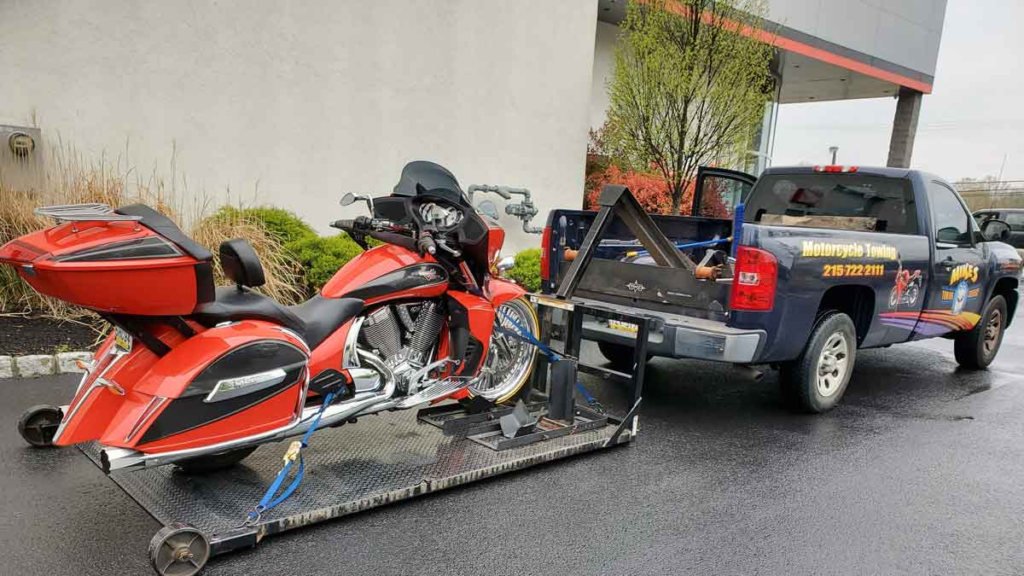
Flatbed towing is the safest and most recommended method. The motorcycle is placed on a flat platform and secured using straps, minimizing movement during transit.
2. Wheel Lift Towing
In this method, the bike’s front or rear wheel is lifted off the ground while the other remains on the road. This method is less common due to potential wear on the tires.
3. Motorcycle Trailer Towing
Specialized trailers designed for motorcycles are used to transport bikes safely over long distances.
4. Cradle Towing
This method uses a cradle device to hold the motorcycle upright, preventing tipping and ensuring stability during transport.
Benefits of Professional Bike Towing Services
Choosing a professional bike towing service offers several advantages:
1. Safety and Protection
Experts use proper equipment to secure your bike, preventing scratches, dents, or mechanical damage.
2. Quick Response Time
Most towing services operate 24/7, ensuring help arrives quickly during emergencies.
3. Skilled Handling
Professionals understand how to handle different types of motorcycles, including sports bikes, cruisers, and scooters.
4. Insurance Coverage
Reputable companies provide insurance coverage, giving you peace of mind during transportation.
5. Convenience
You don’t have to struggle with pushing or riding a damaged bike—professionals take care of everything.
How to Choose the Right Bike Towing Service
Selecting the right towing provider is crucial to ensure your motorcycle is handled safely. Here are some factors to consider:
1. Experience and Expertise
Choose a company with proven experience in motorcycle towing.
2. Availability
Look for services that offer 24/7 assistance, especially for emergencies.
3. Equipment Quality
Ensure the company uses modern and well-maintained towing equipment.
4. Pricing Transparency
A reliable provider will offer clear pricing without hidden charges.
5. Customer Reviews
Check online reviews and testimonials to gauge service quality.
Tips to Prepare Your Bike for Towing
Before your motorcycle is towed, it’s important to take a few precautions:
- Turn off the ignition and remove the key
- Document any existing damage with photos
- Remove personal belongings
- Inform the towing operator about specific issues
- Ensure the bike is in neutral (if possible)
Cost of Bike Towing Services
The cost of bike towing depends on several factors, including:
- Distance of transport
- Type of towing method
- Location and accessibility
- Time of service (emergency or scheduled)
On average, local bike towing services are affordable, but long-distance transport may cost more. Always request a quote in advance.
Why Bike Towing is Better Than Riding a Damaged Motorcycle
Riding a damaged motorcycle can be extremely dangerous. Issues like brake failure, tire damage, or engine problems can lead to serious accidents. Bike towing eliminates these risks by ensuring your motorcycle is transported safely without putting your life in danger.
Emergency Bike Towing: What to Do?
If you find yourself stranded, follow these steps:
- Move to a safe location away from traffic
- Turn on hazard lights (if available)
- Contact a reliable towing service
- Share your exact location
- Wait in a safe place until help arrives
The Future of Bike Towing Services
With advancements in technology, bike towing services are becoming more efficient. GPS tracking, mobile apps, and real-time updates allow customers to monitor their towing service in real-time. Additionally, eco-friendly towing options are emerging, reducing environmental impact.
Conclusion
Bike towing services play a crucial role in ensuring the safety and convenience of motorcycle riders. Whether you’re dealing with a breakdown, accident, or need long-distance transport, professional towing services provide a reliable solution. By choosing the right provider and understanding the towing process, you can ensure your motorcycle is handled with care and delivered safely to its destination.
Investing in a trusted bike towing service is not just about convenience—it’s about protecting your valuable motorcycle and ensuring your own safety on the road.